
Time Management Skills for Middle Schoolers: A Parent's Guide
Time Management Skills for Middle Schoolers: A Parent's Guide In the journey of parenting, teaching middle schoolers time management skills is akin to equipping them with a compass for the academic a...
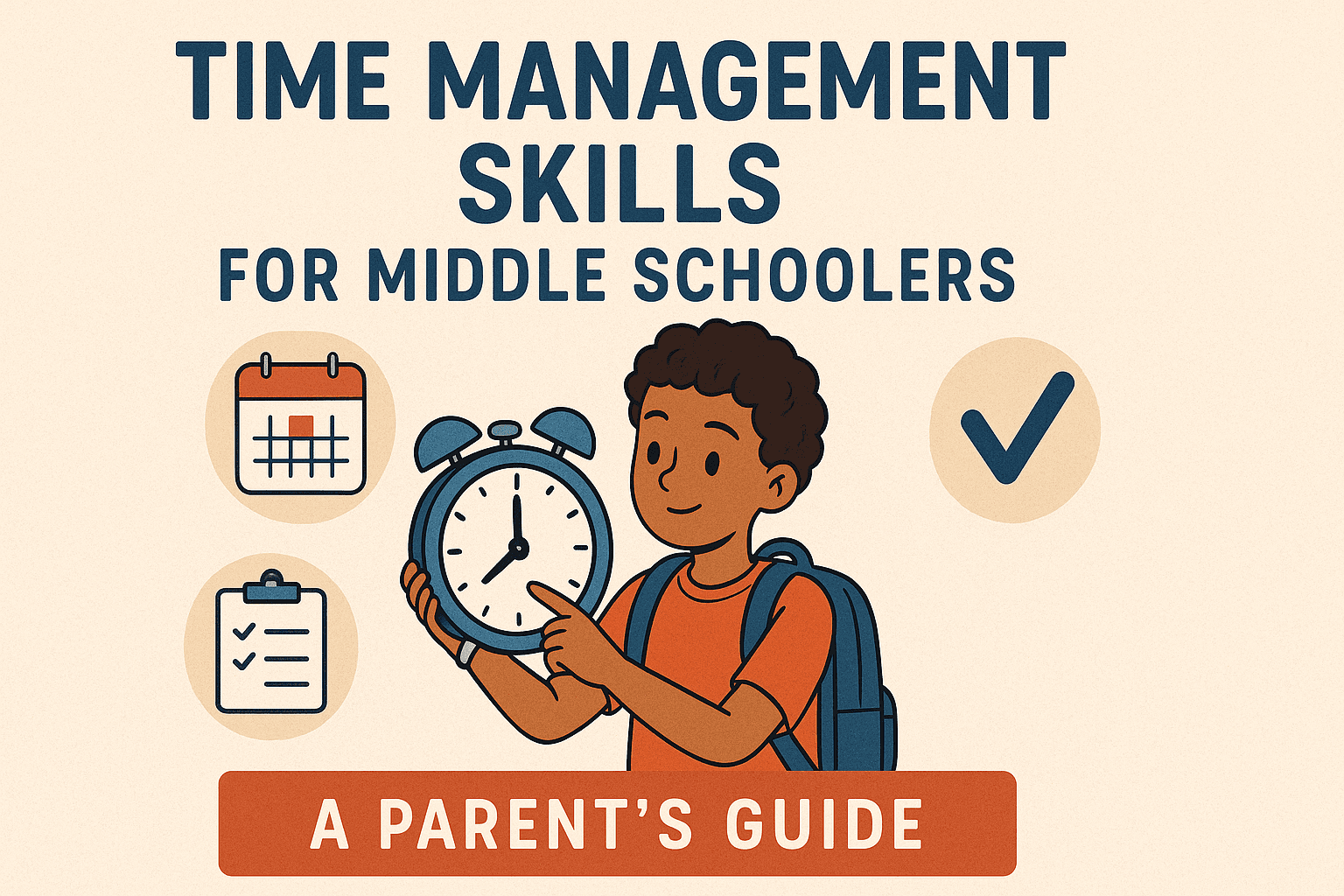
Time Management Skills for Middle Schoolers: A Parent's Guide
In the journey of parenting, teaching middle schoolers time management skills is akin to equipping them with a compass for the academic and personal challenges ahead. For affluent parents aiming to guide their college-bound children, instilling these skills early can set the stage for success in high school, college, and beyond. In fact, a study by the University of Pennsylvania showed that time management abilities are a stronger predictor of academic success than IQ. This guide provides a comprehensive approach to fostering time management skills in middle schoolers, combining educational storytelling with actionable insights.
Understanding the Middle School Mindset
Middle school represents a pivotal transition for children, marked by increased academic demands and the onset of adolescence. It's during this period that students begin to form habits that can last a lifetime. Recognizing this can help parents approach time management training with the necessary patience and empathy.
The Role of Brain Development
Executive Functioning: The prefrontal cortex, which governs executive function skills like planning and organization, is still developing in middle schoolers. This means they're not just being stubborn or lazy; their brains are literally still building the capacity for these tasks.
Impact of Technology: With the rise of digital distractions, teaching time management is more challenging and more critical than ever. Studies indicate that the average screen time for children has skyrocketed, with implications for attention spans and time perception.
Establishing a Foundation
Before diving into strategies, it's crucial to lay the groundwork. This involves setting the right environment and understanding each child's unique needs and challenges.
Creating a Conducive Environment
- Designated Study Space: Ensure your child has a quiet, comfortable, and distraction-free area dedicated to study and homework.
- Technology Guidelines: Implement rules around the use of devices and social media during study time to minimize distractions.
Personalized Approach
- Identify Strengths and Weaknesses: Each child is different. Some may struggle with procrastination, while others might have difficulty prioritizing tasks. Tailor your approach accordingly.
- Involve Them in the Process: Empower your child by involving them in setting up their time management system. This increases buy-in and accountability.
Actionable Strategies for Parents
With a solid foundation, you can now introduce specific time management techniques. These strategies are not just about managing time but also about fostering self-discipline and responsibility.
Establishing Routines
- Morning and Evening Routines: Start and end the day with a consistent routine that includes time for homework, relaxation, and sleep.
- Weekly Planning Sessions: Spend time each week planning out academic and extracurricular activities, including deadlines and test dates.
Time Management Tools
- Planners and Calendars: Encourage the use of physical planners or digital calendars to track assignments and commitments.
- Time Blocking: Teach them to allocate specific blocks of time for homework, study, and breaks, enhancing focus and efficiency.
Setting Goals and Priorities
- SMART Goals: Guide them in setting Specific, Measurable, Achievable, Relevant, and Time-bound goals for their academic and personal life.
- Prioritization Techniques: Introduce the concept of prioritizing tasks based on urgency and importance, helping them tackle the most critical tasks first.
Building Accountability
- Check-ins: Regularly review their planner or calendar with them, providing feedback and encouragement.
- Self-Reflection: Encourage end-of-day reflections on what went well and what could be improved, fostering a growth mindset.
Overcoming Challenges
Despite the best plans, challenges will arise. Here's how to navigate them:
- Procrastination: Break tasks into smaller, manageable steps to reduce overwhelm and inertia.
- Distractions: Use apps or tools to limit access to distracting websites or apps during study time.
- Overcommitment: Teach them to say no and to assess their capacity before taking on new commitments.
The Parental Role: Support, Not Dictate
As a parent, your role is to guide and support, not to micromanage. This journey is as much about learning from mistakes as it is about celebrating successes. Encourage independence and resilience, allowing your child to take ownership of their time and decisions.
Conclusion: The Compass for Success
Time management skills are the compass that will guide your middle schooler through the labyrinth of academic and personal challenges. By laying a solid foundation, employing actionable strategies, and navigating challenges with empathy and support, you're not just preparing them for high school and college; you're setting them up for a lifetime of success. Remember, the goal is to equip them with the skills to manage their time effectively, fostering independence, confidence, and resilience. Your role as a parent is crucial in this endeavor, requiring a balance of guidance, support, and trust in their growing abilities.
Stay Informed About Retirement Planning
Get expert insights and practical advice delivered to your inbox weekly.
Join 50,000+ seniors making informed retirement decisions.