
Term Life vs. Whole Life Insurance for Parents: Complete Comparison
Term Life vs Whole Life Insurance for Parents: Making the Right Choice for Your Family When it comes to protecting your family's future, choosing the right life insurance policy is a pivotal decision...
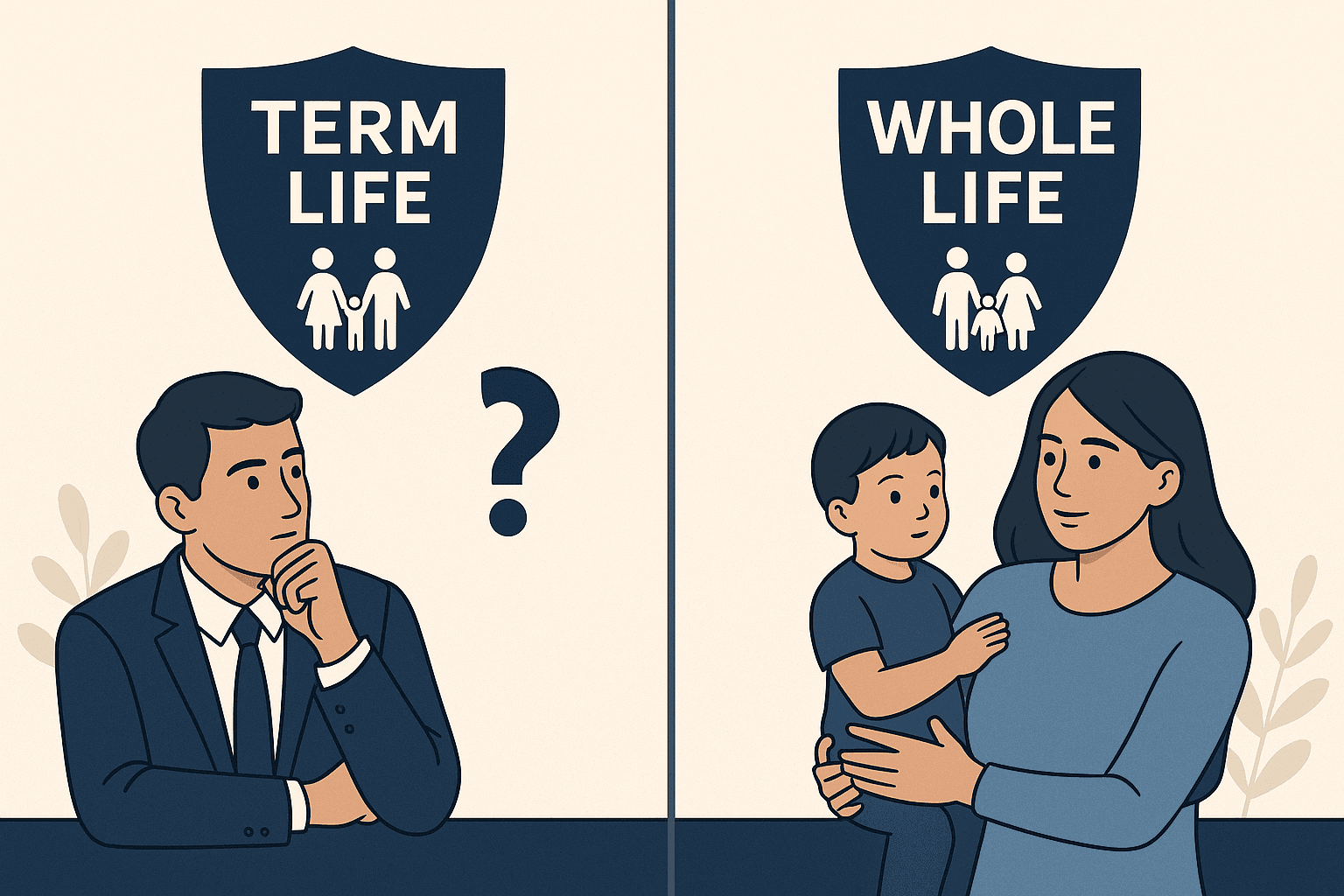
Term Life vs Whole Life Insurance for Parents: Making the Right Choice for Your Family
When it comes to protecting your family's future, choosing the right life insurance policy is a pivotal decision. Parents comparing term life and whole life insurance are faced with options that cater to different needs, budgets, and long-term financial goals. Here's a breakdown of term life versus whole life insurance, offering a pathway to make an informed choice for your family's protection.
Understanding the Basics
What is Term Life Insurance?
- Definition: Term life insurance provides coverage for a specific period or "term," such as 10, 20, or 30 years. It pays out a death benefit to your beneficiaries if you pass away during the term.
- Cost-Effectiveness: Generally, term life insurance is less expensive than whole life, making it an appealing option for young families or those on a tight budget.
- Simplicity: With no cash value component, term life policies are straightforward, focusing solely on death benefit protection.
What is Whole Life Insurance?
- Definition: Whole life insurance offers lifelong coverage, coupled with a cash value component that grows over time at a guaranteed rate.
- Cost: Whole life premiums are higher than term life, reflecting the permanent coverage and investment savings feature.
- Financial Flexibility: The cash value can be borrowed against for education, retirement, or as part of estate planning strategies.
Comparing the Features
Coverage Duration
- Term Life: Coverage is limited to the term of the policy.
- Whole Life: Provides lifelong coverage, as long as premiums are paid.
Premiums
- Term Life: Premiums are typically lower and fixed for the duration of the term.
- Whole Life: Premiums are higher but also fixed, offering the benefit of predictable costs.
Cash Value
- Term Life: No cash value component.
- Whole Life: Includes a cash value that grows tax-deferred over time.
Investment Opportunity
- Term Life: Not applicable.
- Whole Life: The cash value acts as an investment component, which you can borrow against.
Making the Choice: Which is Right for Your Family?
Term Life Insurance: Ideal for Short-Term, Cost-Effective Coverage
- Budget-Friendly: Ideal for families needing substantial coverage at a lower cost.
- Flexibility: Suitable for covering specific financial obligations, like a mortgage or children’s education.
- Data Point: According to a 2020 industry study, term life insurance can be up to 10 times less expensive than whole life, making it a practical choice for young families.
Whole Life Insurance: A Lifetime Investment for Family and Future
- Long-Term Security: Provides peace of mind with permanent coverage.
- Financial Planning Tool: The cash value component can serve as a strategic part of your overall financial plan.
- Historical Insight: Introduced in the 19th century, whole life insurance was one of the first insurance products designed to combine financial protection with savings.
The Surprising Insight: Not Mutually Exclusive
Interestingly, some families opt for a combination of term and whole life insurance to balance immediate needs with long-term planning. This strategy can provide affordable coverage today, while also establishing a financial legacy for the future.
Practical Considerations for Parents
- Review Your Financial Goals: Consider short-term needs versus long-term objectives.
- Assess Your Budget: Determine how much you can comfortably allocate toward premiums.
- Consult with a Professional: An insurance advisor can provide personalized guidance based on your family’s unique situation.
The Final Verdict: Tailoring to Your Family’s Needs
The choice between term life and whole life insurance ultimately depends on your financial situation, goals, and family needs. Term life can offer affordable, straightforward protection, while whole life provides lifelong coverage with a financial growth component.
Actionable Steps for Parents
- Evaluate Your Family’s Financial Needs: Consider both current and future obligations.
- Compare Quotes: Obtain quotes for both term and whole life policies to compare costs and features.
- Consider a Blended Approach: Explore combining term and whole life for a customized solution.
Conclusion: Empowering Your Family’s Future
Choosing between term life and whole life insurance is more than a financial decision; it's about ensuring the well-being and future of your loved ones. By understanding the key differences and considering your family’s unique needs, you can make a choice that provides peace of mind and financial security. Remember, the best policy is one that aligns with your goals, offering the right balance of protection and potential growth for your family's journey.
In the landscape of life's uncertainties, the clarity and confidence in your insurance choices can be a beacon of security for your family. Whether you opt for the affordability of term life or the comprehensive benefits of whole life, your decision will lay the foundation for your family's financial legacy and well-being.
Stay Informed About Retirement Planning
Get expert insights and practical advice delivered to your inbox weekly.
Join 50,000+ seniors making informed retirement decisions.