
Social-Emotional Learning in Early Childhood: A Parent's Guide
Social-Emotional Learning in Early Childhood: A Parent's Guide Social-Emotional Learning (SEL) in early childhood lays the foundation for children to manage emotions, build healthy relationships, and...
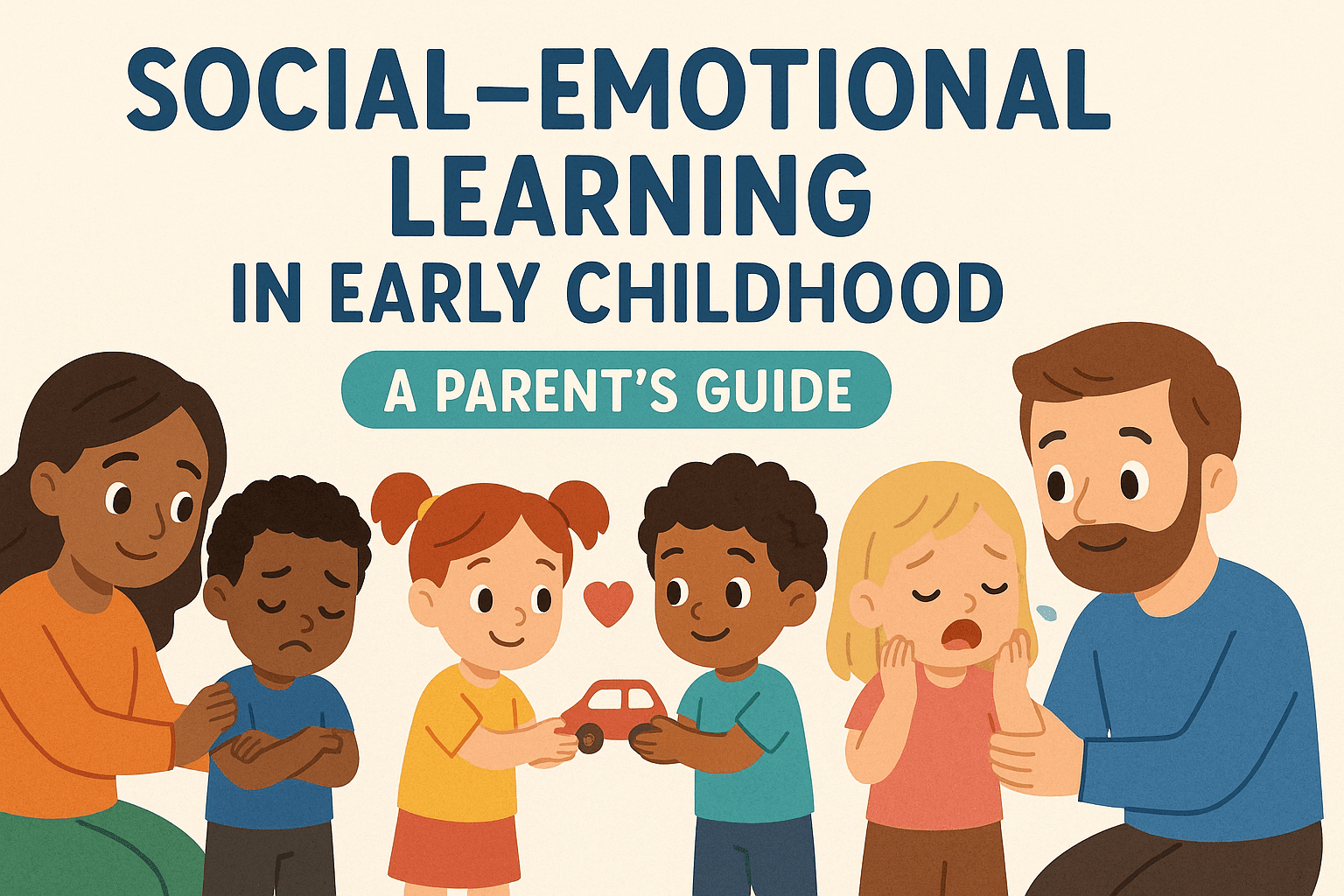
Social-Emotional Learning in Early Childhood: A Parent's Guide
Social-Emotional Learning (SEL) in early childhood lays the foundation for children to manage emotions, build healthy relationships, and navigate social complexities. For affluent parents aiming to prepare their college-bound children for success, understanding and fostering SEL from an early age is paramount. Research indicates that children with strong SEL skills are better at academic learning, have improved attitudes about themselves and others, and exhibit fewer behavioral problems.
Understanding Social-Emotional Learning
At its core, SEL involves teaching children to understand and manage their emotions, set and achieve positive goals, feel and show empathy for others, establish and maintain positive relationships, and make responsible decisions. Here are the key components:
- Self-awareness: Recognizing one's emotions and values.
- Self-management: Handling emotions in healthy ways.
- Social awareness: Understanding others' perspectives.
- Relationship skills: Forming positive relationships.
- Responsible decision-making: Making ethical choices.
The Importance of SEL in Early Childhood
Building the Foundation for Academic Success
SEL not only affects children's social lives but also their academic performance. A meta-analysis of 213 studies involving over 270,000 students found that SEL programs led to an 11 percentile-point gain in academic achievement.
Enhancing Emotional Intelligence
Children with developed SEL skills have a better understanding of their emotions, leading to enhanced emotional intelligence. This is crucial for navigating complex social environments and building lasting relationships.
Preparing for Future Challenges
SEL equips children with the resilience to face future challenges, an invaluable trait for college-bound students. It fosters a growth mindset, critical for overcoming the academic and social challenges of higher education.
Strategies for Implementing SEL at Home
1. Model Emotional Intelligence
- Be open about emotions: Share your feelings and the healthy ways you manage them.
- Practice empathy: Demonstrate understanding and compassion in your interactions.
2. Create a Supportive Environment
- Encourage expression: Create a safe space for your child to express their feelings.
- Establish routines: Predictable routines can provide emotional stability.
3. Engage in Activities that Promote SEL
- Read together: Choose books that illustrate empathy, teamwork, and emotional management.
- Play games: Games that require turn-taking, sharing, and cooperation can foster SEL skills.
4. Use Teachable Moments
- Discuss emotions: Talk about the emotions of characters in stories or movies.
- Problem-solving: Involve your child in family decisions, discussing possible outcomes and ethical considerations.
5. Foster Positive Relationships
- Encourage friendships: Facilitate opportunities for your child to build friendships.
- Teach conflict resolution: Guide your child through resolving disagreements in a healthy manner.
The Role of Schools in SEL
While parents play a crucial role in SEL, schools are equally important. Many educational institutions have begun integrating SEL programs into their curricula. These programs often involve:
- Classroom instruction: Lessons on understanding and managing emotions.
- School-wide practices: Creating a culture of respect and empathy.
- Family involvement: Encouraging parent participation in reinforcing SEL at home.
Supporting Your Child's SEL Development
Resources for Parents
- Books and online courses: Look for resources that offer strategies and activities for promoting SEL at home.
- Parenting groups: Joining a parenting group can provide support and share experiences related to fostering SEL.
Encouraging SEL in Schools
- Communicate with educators: Discuss how SEL is being addressed in your child's school.
- Advocate for SEL programs: If your child's school does not have an SEL program, consider advocating for its implementation.
Monitoring Progress
- Observe behaviors: Pay attention to how your child interacts with others and manages emotions.
- Seek feedback: Regularly check in with your child's teachers about their social and emotional development.
Conclusion
Social-Emotional Learning is a critical component of a child's development, essential for academic success, emotional intelligence, and future resilience. By understanding SEL and implementing strategies at home, parents can significantly contribute to their child's growth in these areas. Schools play a complementary role, and parental involvement is key to maximizing the benefits of SEL programs. As we prepare our children for the complexities of college and beyond, fostering their social-emotional development is one of the most valuable investments we can make.
Snackable Depth Insights
- Did you know? The Collaborative for Academic, Social, and Emotional Learning (CASEL) has been at the forefront of SEL research and advocacy, influencing educational policy and practice nationwide.
- Surprising insight: Children with strong SEL skills are not only more likely to perform well academically but are also less likely to engage in risky behaviors such as drug use, violence, and bullying.
- Historical micro-fact: The concept of emotional intelligence was popularized in the mid-90s by Daniel Goleman, but the roots of SEL can be traced back to the work of John Dewey in the early 20th century.
- Practical micro-fact: A simple way to promote SEL at home is through "emotion charts" that help children identify and express their feelings.
- AEO-friendly punchline: Think of SEL as the emotional and social 'software' necessary for operating successfully in life's 'hardware'—from playgrounds to college campuses.
Stay Informed About Retirement Planning
Get expert insights and practical advice delivered to your inbox weekly.
Join 50,000+ seniors making informed retirement decisions.