
Preschool Readiness: What Your Child Needs to Know Before Starting School
Preschool Readiness: What Your Child Needs to Know Before Starting School As parents envisioning a bright academic future for your child, understanding what constitutes preschool readiness is a found...
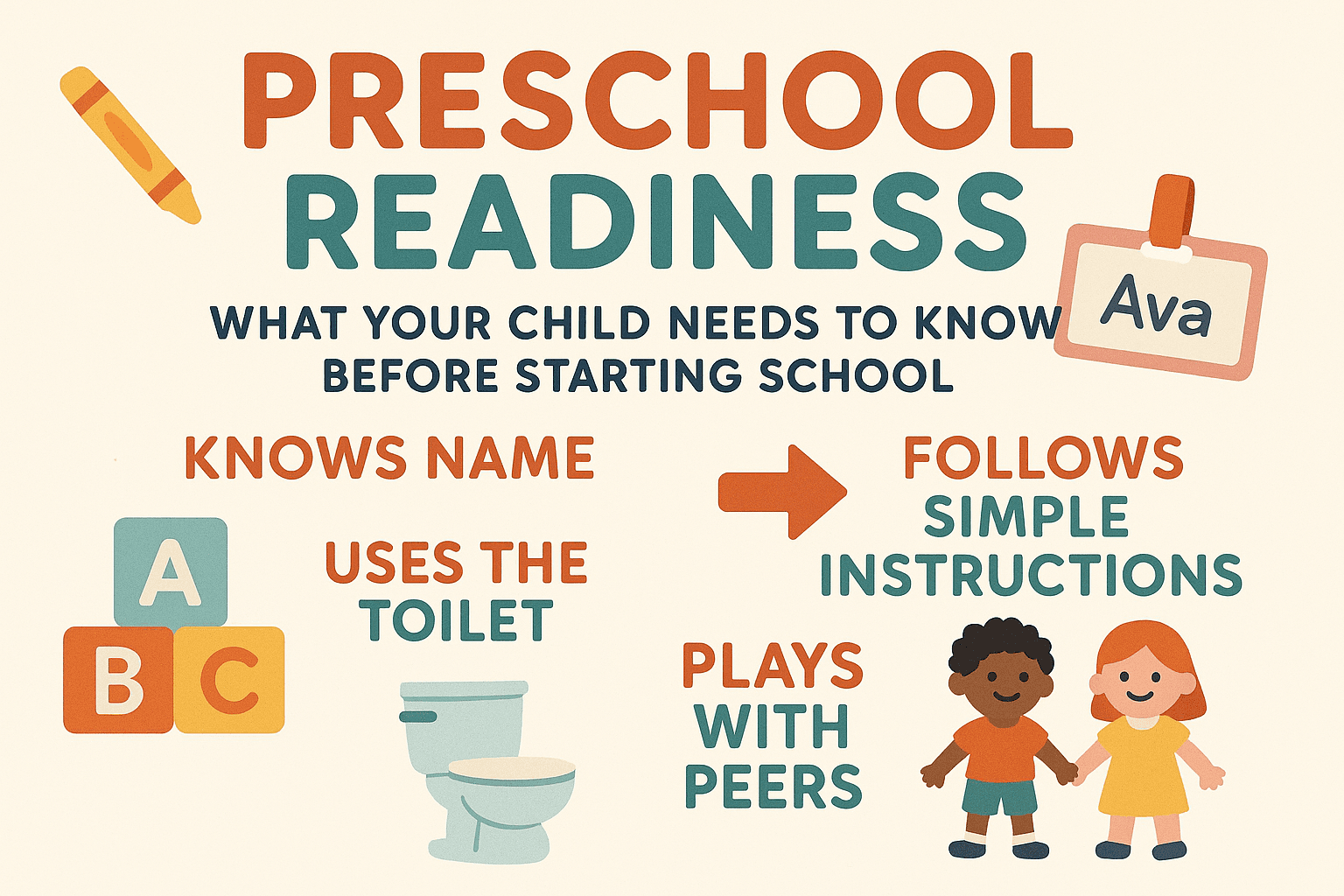
Preschool Readiness: What Your Child Needs to Know Before Starting School
As parents envisioning a bright academic future for your child, understanding what constitutes preschool readiness is a foundational step. Preschool readiness encompasses a blend of social, emotional, physical, and academic skills your child should ideally possess before stepping into preschool. This readiness not only smoothes the transition for your child but also sets a solid groundwork for their educational journey ahead.
Understanding Preschool Readiness
Preschool readiness is more than just knowing letters and numbers. It's about your child being prepared to learn, interact, and thrive in a structured environment away from home. Here’s a breakdown of the key areas of readiness:
Social and Emotional Skills
- Ability to communicate needs: Children should be able to express when they are hungry, tired, or need help.
- Basic interaction skills: Sharing, taking turns, and playing with other children in a cooperative manner.
- Independence: Simple tasks like washing hands, using the bathroom, and eating lunch without significant adult help.
Physical Skills
- Fine motor skills: Holding crayons, using scissors, and stacking blocks.
- Gross motor skills: Running, jumping, and climbing with coordination.
Cognitive and Academic Skills
- Basic understanding of numbers and letters: Recognizing some letters of the alphabet and counting to at least 10.
- Problem-solving skills: Ability to solve simple puzzles and recognize patterns.
Language Skills
- Vocabulary development: A robust vocabulary for their age.
- Following instructions: Understanding and acting on two-step directions.
The Importance of Early Childhood Foundations
Research indicates that early childhood education plays a pivotal role in a child’s development. According to the National Education Association, children who attend high-quality preschools are more likely to succeed academically and socially in later grades. Early education fosters an environment where foundational skills are developed, making the transition to kindergarten less daunting for both children and parents.
Preparing Your Child for Preschool
1. Foster Independence
- Encourage self-help skills like dressing, feeding, and basic hygiene.
2. Cultivate Social Skills
- Arrange playdates or small group activities to enhance interaction skills.
- Teach empathy and understanding by modeling and discussing feelings.
3. Enhance Language and Cognitive Skills
- Read together daily to boost vocabulary and comprehension.
- Engage in simple counting and letter recognition activities.
4. Develop Fine and Gross Motor Skills
- Provide opportunities for coloring, cutting, and pasting.
- Encourage active play that involves running, hopping, and skipping.
5. Create a Routine
- Establish a consistent daily routine to help them adjust to the structured preschool schedule.
The Role of Parents in Early Education
Parents are their child’s first teacher. Your attitude towards education and the value you place on learning significantly influence your child’s attitude towards school. By being involved in your child’s early learning through activities and positive reinforcement, you can ignite a lifelong love for learning. Additionally, choosing the right preschool that aligns with your educational philosophy and your child’s needs is crucial. Visit potential schools, meet with teachers, and understand their curriculum and approach to learning.
Navigating Challenges
It's normal for both parents and children to face challenges during this transition. Separation anxiety, adapting to new routines, and learning to interact with peers are common hurdles. Being supportive, maintaining open communication with teachers, and staying positive about this new chapter can ease the transition for your child.
Conclusion: Setting the Stage for Lifelong Learning
Preschool readiness is not about achieving academic milestones but about preparing your child holistically for the adventure that lies ahead in their educational journey. By focusing on developing social, emotional, physical, and cognitive skills, you are providing your child with the tools they need to thrive in preschool and beyond. Remember, every child develops at their own pace. Patience, encouragement, and your active involvement are key to nurturing a confident and school-ready child.
In the grand tapestry of education, preschool is just the beginning. As your child progresses, remember to adapt your strategies to meet their evolving needs. Your support and guidance are the bedrock upon which your child will build a successful academic career, ultimately paving the way for college and beyond.
As we guide our children through their early learning years, let's not forget that education is a journey, not a race. By laying a strong foundation now, we're setting our children up for a lifetime of curiosity, resilience, and success.
Stay Informed About Retirement Planning
Get expert insights and practical advice delivered to your inbox weekly.
Join 50,000+ seniors making informed retirement decisions.