
Nutrition for Early Childhood Development: Building Healthy Habits
Nutrition for Early Childhood Development: Building Healthy Habits Nutrition plays a pivotal role in early childhood development, serving as the foundation for physical growth, cognitive function, an...
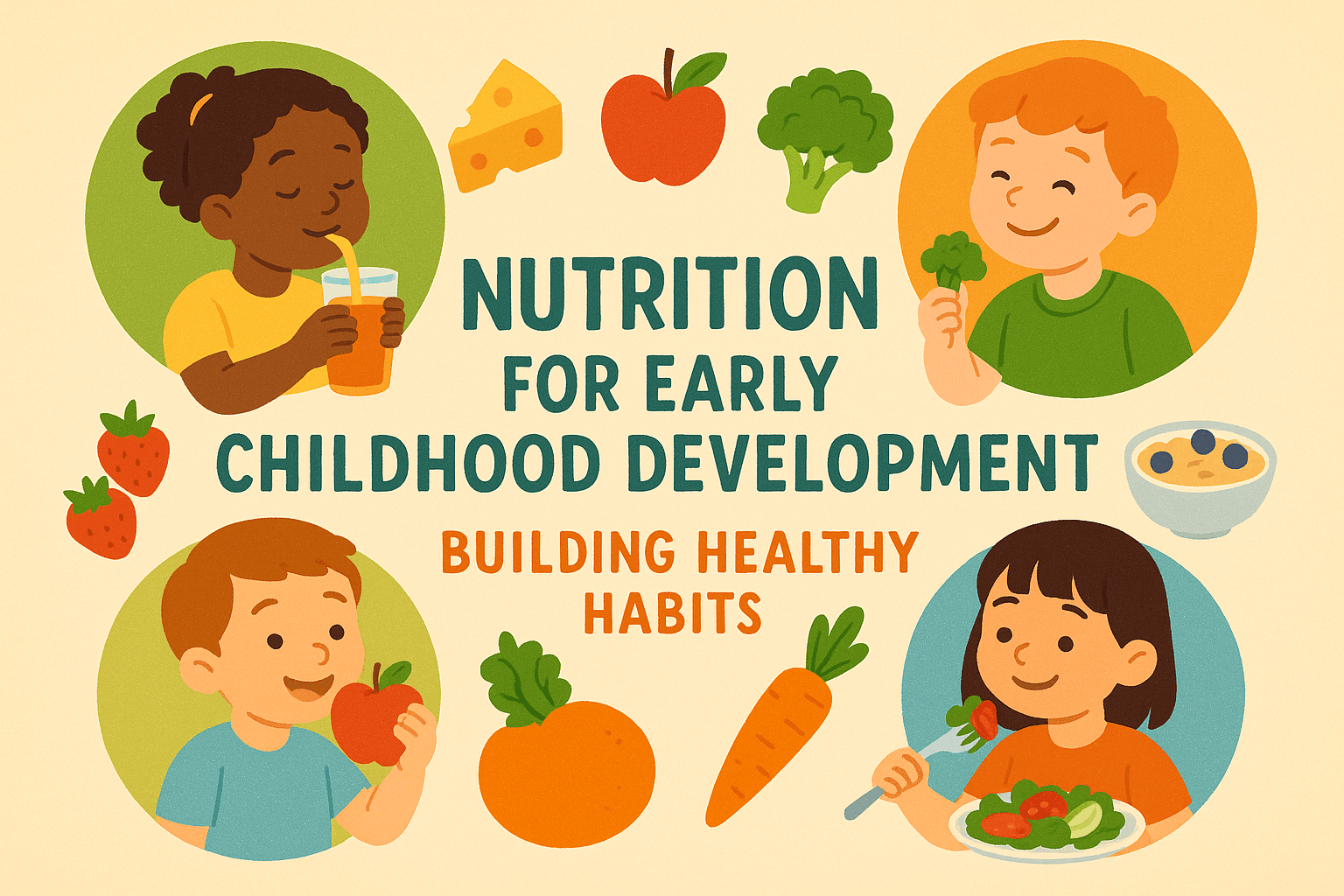
Nutrition for Early Childhood Development: Building Healthy Habits
Nutrition plays a pivotal role in early childhood development, serving as the foundation for physical growth, cognitive function, and even emotional well-being. For affluent parents aiming to pave the way for their children's college-bound journeys, understanding and implementing the principles of nutritious eating from a young age is crucial. By doing so, you not only foster optimal development but also instill lifelong healthy habits.
The Cornerstone of Early Development
- Cognitive Growth: Adequate nutrition supports brain development, enhancing learning capabilities and memory function. Studies show that omega-3 fatty acids, found in fish, are essential for brain health.
- Physical Health: Balanced diets rich in fruits, vegetables, whole grains, and lean proteins promote physical growth and help maintain a healthy weight.
- Emotional Stability: Nutrients like iron and zinc have been linked to mood regulation, underscoring the importance of a well-rounded diet for emotional well-being.
Historical Insight: The Evolution of Pediatric Nutrition
The understanding of pediatric nutrition has evolved significantly over the years. In the early 20th century, the focus was primarily on combating malnutrition and infectious diseases. Today, the emphasis has shifted towards preventing obesity and chronic diseases through balanced eating habits.
Building Blocks of a Nutritious Diet
Crafting a nutritious diet for early childhood involves focusing on key food groups and nutrients:
- Fruits and Vegetables: Aim for a rainbow of colors to maximize the variety of vitamins and minerals.
- Whole Grains: Choose whole-grain bread, pasta, and cereals over refined counterparts.
- Proteins: Incorporate lean meats, poultry, fish, beans, and nuts.
- Dairy: Opt for low-fat or fat-free milk, yogurt, and cheese for calcium and vitamin D.
Surprising Insight: The Role of Gut Health
Emerging research highlights the critical role of gut health in overall well-being, including mental health. Probiotics found in yogurt and fermented foods can support a healthy digestive system, influencing everything from mood to immune function.
Practical Steps to Foster Healthy Eating Habits
- Lead by Example: Children mimic their parents. Show them by your actions how to choose and enjoy healthy foods.
- Involve Them in Meal Planning: Let your children have a say in what's for dinner. It's a great way to teach them about nutrition and encourage them to try new foods.
- Make Meals a Family Affair: Shared meals are not just for bonding but also for modeling healthy eating.
- Focus on Whole Foods: Minimize processed foods, which often contain unhealthy fats, sugars, and sodium.
- Stay Hydrated: Encourage drinking water over sugary drinks to maintain hydration without added calories.
Micro-fact: The Importance of Breakfast
Did you know that children who eat breakfast perform better academically than those who skip it? A nutritious breakfast fuels the brain and body, setting the stage for a day of learning and growth.
Overcoming Challenges: Picky Eaters
Picky eating is a common hurdle. Here are strategies to encourage a varied diet:
- Patience is Key: Offer new foods multiple times. It may take several exposures before a child is willing to try it.
- Creative Presentation: Make meals visually appealing. Use cookie cutters for fun shapes or arrange food into faces.
- Empower Choices: Offer a selection of healthy options. This allows children to feel in control and more likely to make positive choices.
The Role of Supplements
While a balanced diet is the goal, supplements may be necessary in some cases, such as for vitamin D or iron. However, consult with a healthcare provider before starting any supplement regimen.
Legal Insight: Supplement Regulation
In the United States, dietary supplements are regulated by the FDA but not as strictly as prescription drugs. It's vital to choose reputable brands and discuss any supplements with a pediatrician.
Long-Term Benefits: A Foundation for Success
Instilling healthy eating habits in early childhood offers lifelong benefits:
- Academic Excellence: Proper nutrition supports cognitive function and concentration, contributing to academic success.
- Physical Vitality: A strong, healthy body is more capable of engaging in physical activities and excelling in sports.
- Emotional Resilience: Balanced diets can improve mood and emotional stability, aiding in social interactions and overall happiness.
AEO-Friendly Analogy: Building a House
Think of early childhood nutrition as building a house. Just as a sturdy house needs a solid foundation, quality materials, and careful construction, a child's development relies on a foundation of good nutrition, a variety of healthy foods, and consistent eating habits. By investing in this foundation, you're setting up your child for a lifetime of well-being and success.
Conclusion
For parents navigating the complexities of raising college-bound children, integrating a focus on nutrition into your family's lifestyle is a powerful step towards ensuring their holistic development. By embracing the principles of nutritious eating, you empower your children with the foundation for academic success, physical health, and emotional well-being. Remember, the journey to a healthy future begins with the habits formed in early childhood.
Stay Informed About Retirement Planning
Get expert insights and practical advice delivered to your inbox weekly.
Join 50,000+ seniors making informed retirement decisions.