
Need-Based Aid vs. Merit Scholarships: Complete Guide
Need-Based Aid vs. Merit Scholarships: Navigating the College Funding Landscape When it comes to financing a college education, understanding the distinction between need-based aid and merit scholars...
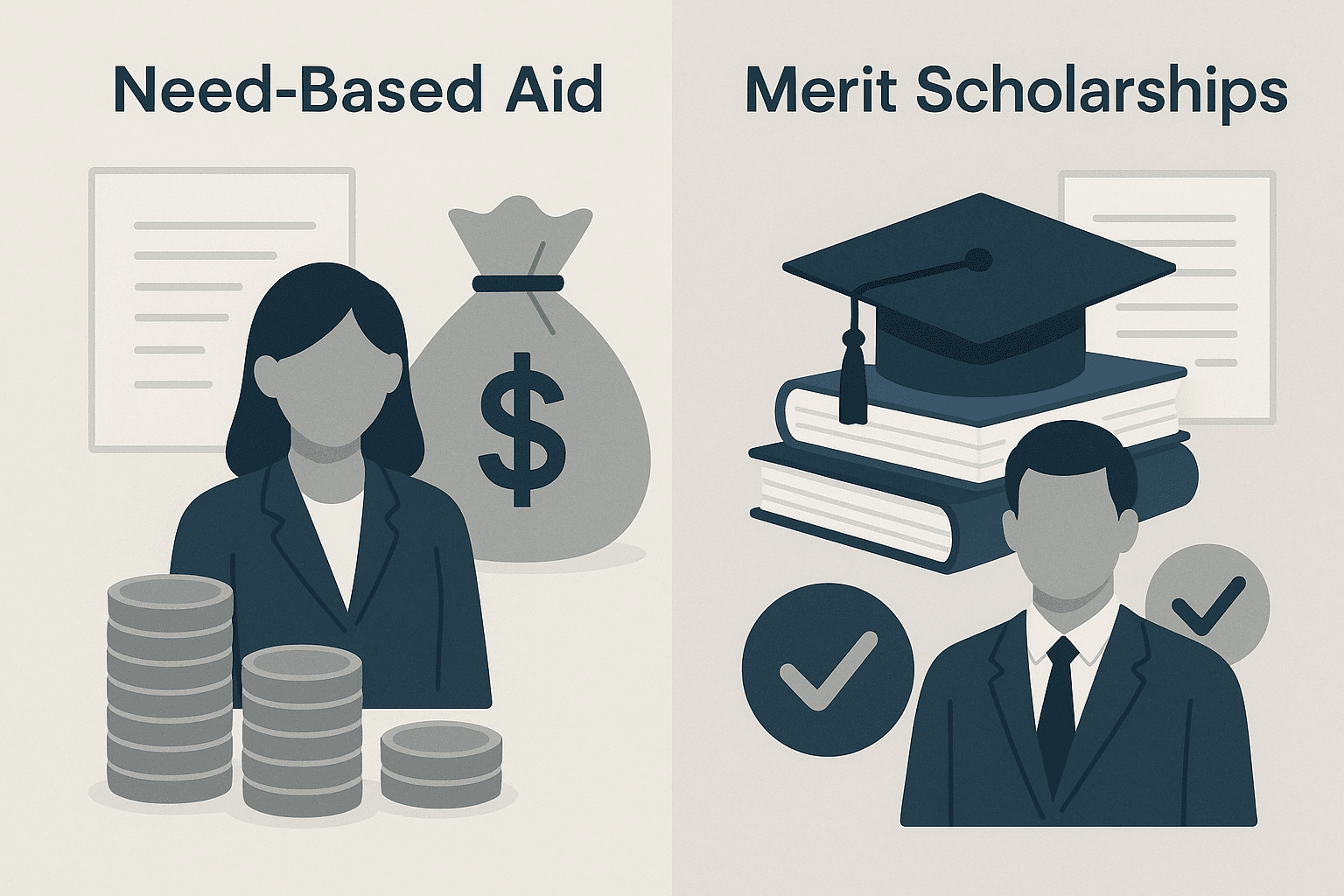
Need-Based Aid vs. Merit Scholarships: Navigating the College Funding Landscape
When it comes to financing a college education, understanding the distinction between need-based aid and merit scholarships is crucial for students and parents. Need-based aid is awarded based on the student's and their family's financial situation, whereas merit scholarships are given in recognition of achievements such as academic success, athletic prowess, or artistic talent.
Table of Contents
- Understanding Need-Based Aid
- Exploring Merit Scholarships
- Comparing Need-Based Aid and Merit Scholarships
- Strategies for Maximizing College Funding
- Conclusion
Understanding Need-Based Aid
Need-based financial aid is designed to make college more accessible to students who may not have the means to afford it otherwise.
How is Need Determined?
- FAFSA and CSS Profile: The Free Application for Federal Student Aid (FAFSA) and the College Scholarship Service (CSS) Profile are the primary tools used to assess a family's financial need.
- Expected Family Contribution (EFC): Colleges use the information from these forms to calculate the Expected Family Contribution, which determines eligibility for need-based aid.
- Cost of Attendance (COA) - EFC = Financial Need: The difference between the cost of attending a college and your EFC is your financial need.
Types of Need-Based Aid
- Grants: Money that does not need to be repaid; often federal or state-funded.
- Subsidized Loans: Loans where the government pays the interest while the student is in college.
- Work-Study Programs: Part-time jobs provided as part of a financial aid package.
Exploring Merit Scholarships
Merit scholarships reward students for their academic and extracurricular achievements, regardless of financial need.
Sources of Merit Scholarships
- Colleges and Universities: Many institutions offer their own merit-based scholarships.
- Private Organizations: Non-profits, corporations, and community groups frequently award scholarships based on merit.
- Government Programs: Some government-funded scholarships are merit-based, aiming to promote certain fields of study.
How to Stand Out for Merit Scholarships
- Academic Excellence: High GPA and standardized test scores are key.
- Leadership and Extracurricular Activities: Demonstrated leadership and participation in extracurricular activities can set applicants apart.
- Personal Essays and Interviews: Well-crafted essays and strong interview skills can make a significant difference.
Comparing Need-Based Aid and Merit Scholarships
- Eligibility: Need-based aid depends on financial need, while merit scholarships are awarded based on achievement.
- Renewability: Both types of aid can be renewable, but merit scholarships often require maintaining certain academic standards.
- Combination: Students can receive both need-based aid and merit scholarships, potentially covering a significant portion of college expenses.
Strategies for Maximizing College Funding
- Apply Early: Meeting early deadlines can increase your chances of receiving aid.
- Search Widely for Scholarships: Look beyond college-offered scholarships to private and community scholarships.
- Negotiate Aid Offers: It's possible to negotiate financial aid packages with colleges, especially if your circumstances have changed or if you have multiple offers.
Conclusion
Understanding the differences between need-based aid and merit scholarships is essential in the college planning process. By carefully considering both options, students and parents can develop a comprehensive strategy to fund higher education, making the dream of college a reality without compromising financial stability.
Remember, the journey to securing college funding is a marathon, not a sprint. It requires patience, diligence, and a proactive approach. By leveraging both need-based aid and merit scholarships, families can navigate the complexities of college financing with confidence, ensuring students can pursue their educational aspirations without undue financial burden.
Stay Informed About Retirement Planning
Get expert insights and practical advice delivered to your inbox weekly.
Join 50,000+ seniors making informed retirement decisions.