
Managing Screen Time for Young Children: Evidence-Based Guidelines
Managing Screen Time for Young Children: Evidence-Based Guidelines In the digital age, managing screen time for young children is a paramount concern for many parents, especially those aiming to prep...
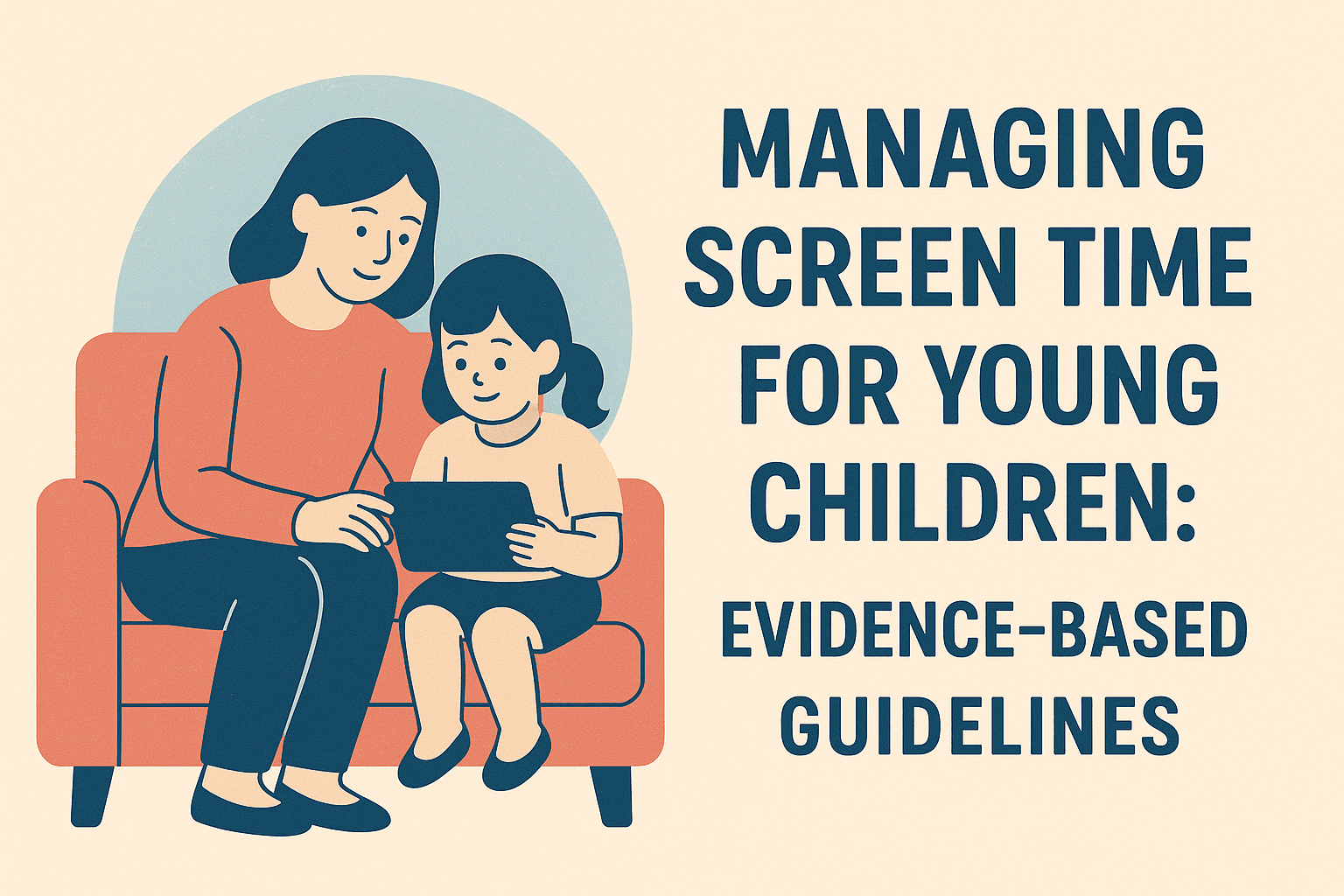
Managing Screen Time for Young Children: Evidence-Based Guidelines
In the digital age, managing screen time for young children is a paramount concern for many parents, especially those aiming to prepare their children for academic success and college admissions. The American Academy of Pediatrics suggests children aged 2 to 5 should limit their screen time to one hour per day of high-quality programming. For children under 18 months, the use of screen media other than video-chatting should be discouraged. This guideline serves as a foundation for parents navigating the complex digital landscape.
Understanding the Impact of Screen Time
The Science Behind Screen Time
- Cognitive Development: Excessive screen time can affect attention spans, cognitive development, and sleep patterns in young children.
- Physical Health: Studies indicate a correlation between excessive screen time and an increased risk of obesity due to reduced physical activity.
- Social Skills: Screen time can also impact a child's ability to develop social skills, with research suggesting that interactive play is crucial for emotional and social development.
The Benefits of Controlled Screen Time
While the concerns are valid, it's important to recognize the benefits of screen time when used appropriately:
- Educational Content: High-quality educational programming can support learning and development.
- Creativity and Problem-Solving: Certain apps and games can stimulate creativity and critical thinking skills.
- Digital Literacy: Exposure to technology can help children develop the skills necessary for academic success and future job markets.
Evidence-Based Guidelines for Managing Screen Time
For Parents of Infants and Toddlers (Under 2 Years)
- Avoid Digital Media for Infants Under 18 Months: Except for video chatting, digital media exposure should be avoided to encourage healthier developmental outcomes.
- Choose High-Quality Programming: For children 18 to 24 months who do watch screen media, ensure it is high-quality and ideally, watched together to help them understand what they're seeing.
For Preschoolers (Ages 2-5)
- Limit Screen Time to One Hour a Day: Focus on high-quality programs that are educational and interactive.
- Co-Viewing is Key: Watching programs with your children can help them understand and apply what they see on the screen to the world around them.
Creating a Family Media Plan
- Set Clear Guidelines: Establish rules about when and where screens can be used.
- Encourage Unplugged Playtime: Prioritize time for outdoor play, reading, and other non-screen activities.
- Designate Media-Free Zones: Keep bedrooms, meal times, and parent-child playtimes screen-free.
- Be a Role Model: Demonstrate healthy screen habits for your children to emulate.
Practical Strategies for Implementation
- Curate Content: Select educational and age-appropriate apps and programs.
- Use Parental Controls: Tools and apps can help manage what content your child can access and for how long.
- Schedule Downtime: Designate periods during the day that are free from all screens to encourage other types of play and interaction.
- Engage in Screen-Free Activities: Encourage activities that promote physical movement, social interaction, and creativity.
The Role of Parents in the Digital Age
As parents, it's our responsibility to guide our children through the complexities of the digital world. By setting boundaries and engaging with our children's digital content, we not only protect them from potential harms but also unlock the educational and developmental benefits technology can offer. Remember, the goal is not to eliminate screen time entirely but to ensure it plays a positive role in our children's lives.
Conclusion
In conclusion, managing screen time for young children requires a balanced approach that limits risks while maximizing benefits. By following evidence-based guidelines, creating a family media plan, and actively engaging in our children's digital experiences, we can foster an environment that supports healthy development and prepares our children for academic success. Let us embrace technology as a tool for learning and growth, while also remembering the irreplaceable value of real-world experiences and interactions.
Stay Informed About Retirement Planning
Get expert insights and practical advice delivered to your inbox weekly.
Join 50,000+ seniors making informed retirement decisions.