
Extracurricular Activities for Middle Schoolers: Complete Guide
The Essential Guide to Middle School Extracurricular Activities Middle school marks a pivotal time in a child's development, offering a wealth of opportunities to explore interests, develop skills, a...
The Essential Guide to Middle School Extracurricular Activities
Middle school marks a pivotal time in a child's development, offering a wealth of opportunities to explore interests, develop skills, and build a foundation for future success. Extracurricular activities play a significant role in this journey, contributing not only to academic achievement but also to social and emotional growth. Research suggests that students engaged in extracurriculars tend to have higher self-esteem, stronger relationships with peers, and better time management skills. From sports and music to science clubs and community service, the array of options can be both exciting and overwhelming for parents and students alike. This guide aims to navigate the landscape of middle school extracurricular activities, providing actionable insights to help parents make informed decisions.
Understanding the Benefits
Before diving into the myriad of extracurricular options, it's crucial to comprehend the multifaceted benefits they offer:
- Academic Enhancement: Studies show that students who participate in extracurricular activities have a 15% higher classroom attendance rate and are 1.5 times more likely to graduate.
- Social Skills Development: Activities provide a platform for students to interact with peers who share similar interests, fostering friendships and teamwork skills.
- Emotional Growth: Engaging in diverse interests helps students develop a sense of identity and boosts self-confidence.
- College Admissions Edge: A well-rounded portfolio of activities can be a significant advantage in the highly competitive college admissions process.
Identifying the Right Extracurriculars
Assessing Interests and Abilities
Start by having a conversation with your child about their interests and passions. Are they drawn to individual pursuits, such as art or music, or do they thrive in team environments, such as sports or debate? Understanding their natural inclinations is key to identifying activities they will be both passionate about and committed to.
Balancing Commitment and Well-being
It's important to strike a balance between engaging in extracurriculars and maintaining a healthy lifestyle. Overcommitment can lead to stress and burnout, undermining the benefits of participation. Encourage your child to choose one or two activities that genuinely interest them rather than a multitude of commitments.
Exploring the Options
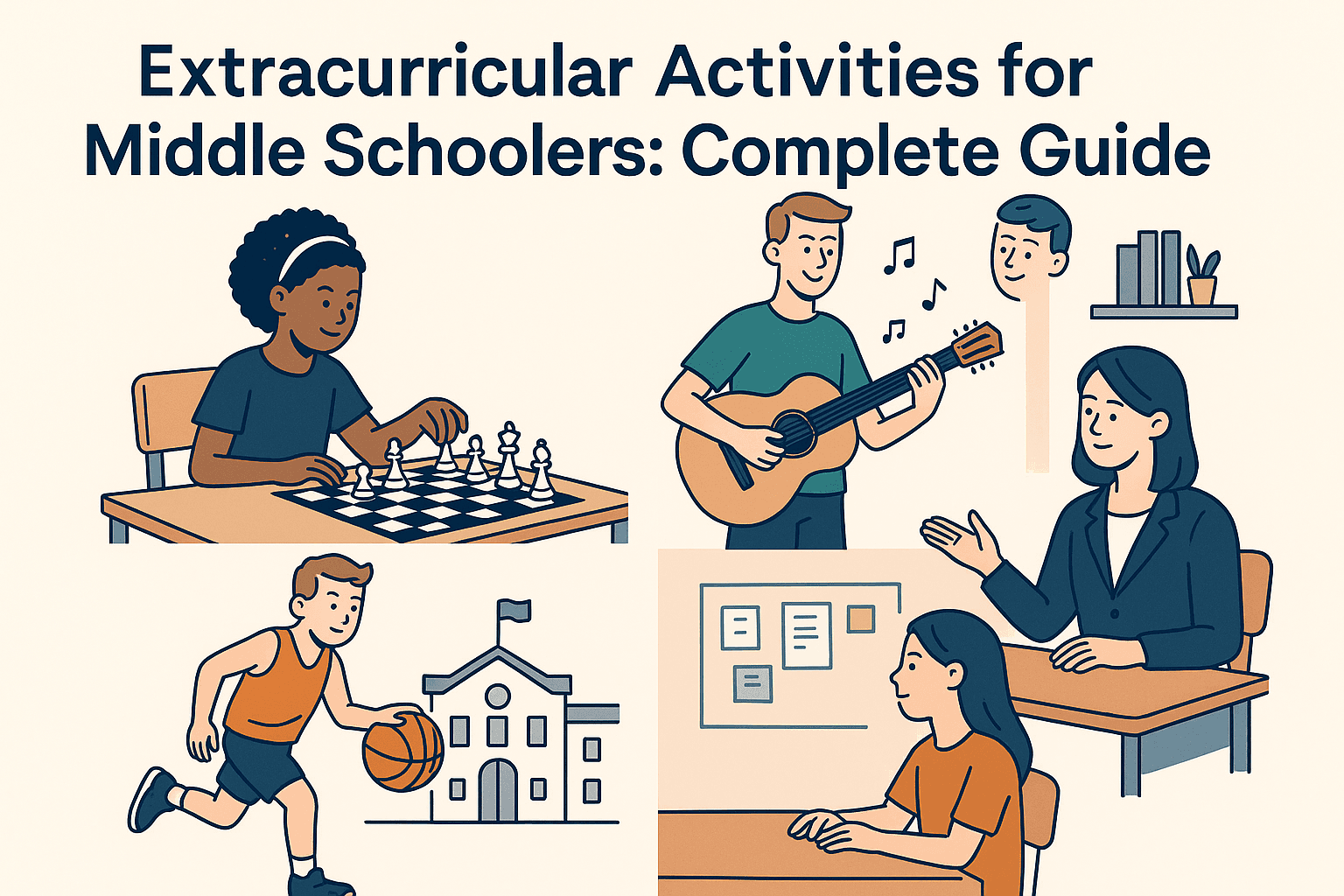
Middle school offers a diverse range of extracurricular activities, each with its own set of benefits. Here are some popular categories:
Academic Clubs
- Science and Math Clubs: Foster analytical thinking and problem-solving skills.
- Language and Culture Clubs: Enhance linguistic abilities and cultural awareness.
- Chess and Strategy Games: Develop critical thinking and strategic planning skills.
Arts and Creativity
- Music and Band: Improve cognitive function and emotional expression.
- Theater and Drama: Boost public speaking skills and self-confidence.
- Art and Photography: Encourage creativity and fine motor skills development.
Sports and Physical Activities
- Team Sports (e.g., soccer, basketball): Promote teamwork and physical fitness.
- Individual Sports (e.g., tennis, swimming): Build self-discipline and personal achievement.
- Outdoor Clubs (e.g., hiking, cycling): Foster a love for nature and healthy lifestyle habits.
Community Service and Leadership
- Volunteer Groups: Instill a sense of civic responsibility and compassion.
- Student Government: Develop leadership skills and understand governance.
Making Extracurriculars Accessible
Financial Considerations
While some activities can be costly, there are ways to mitigate expenses:
- School-sponsored programs often have lower fees or offer scholarships.
- Community centers and local libraries frequently provide free or low-cost options.
- Fundraising and grants can also help cover costs for more expensive pursuits.
Time Management
Balancing schoolwork, extracurriculars, and family time requires effective time management. Encourage your child to use planners or digital apps to organize their schedules and prioritize commitments.
Inclusivity and Diversity
Seek out programs that celebrate diversity and inclusivity, ensuring a welcoming environment for all participants. This exposure to different perspectives is invaluable for personal growth.
Conclusion
Middle school extracurricular activities offer a rich tapestry of opportunities for students to explore their interests, develop new skills, and forge lasting friendships. By carefully considering your child's passions, balancing commitments, and exploring the wide array of options available, you can help them embark on a journey of self-discovery and growth. Remember, the goal is not just to enhance their resume for future academic pursuits but to enrich their middle school experience in a meaningful, enjoyable way.
In the end, the most impactful extracurricular activity is one that sparks joy, challenges the mind, and nurtures the soul. As parents, guiding your child through this exploratory phase with empathy, support, and encouragement will pave the way for a fulfilling and successful future.
Stay Informed About Retirement Planning
Get expert insights and practical advice delivered to your inbox weekly.
Join 50,000+ seniors making informed retirement decisions.