
Early Childhood Development: Building Foundations for Future Success
The Essential Guide to Early Childhood Development Understanding early childhood development is pivotal for parents aiming to build strong educational foundations for their children. From birth to ag...
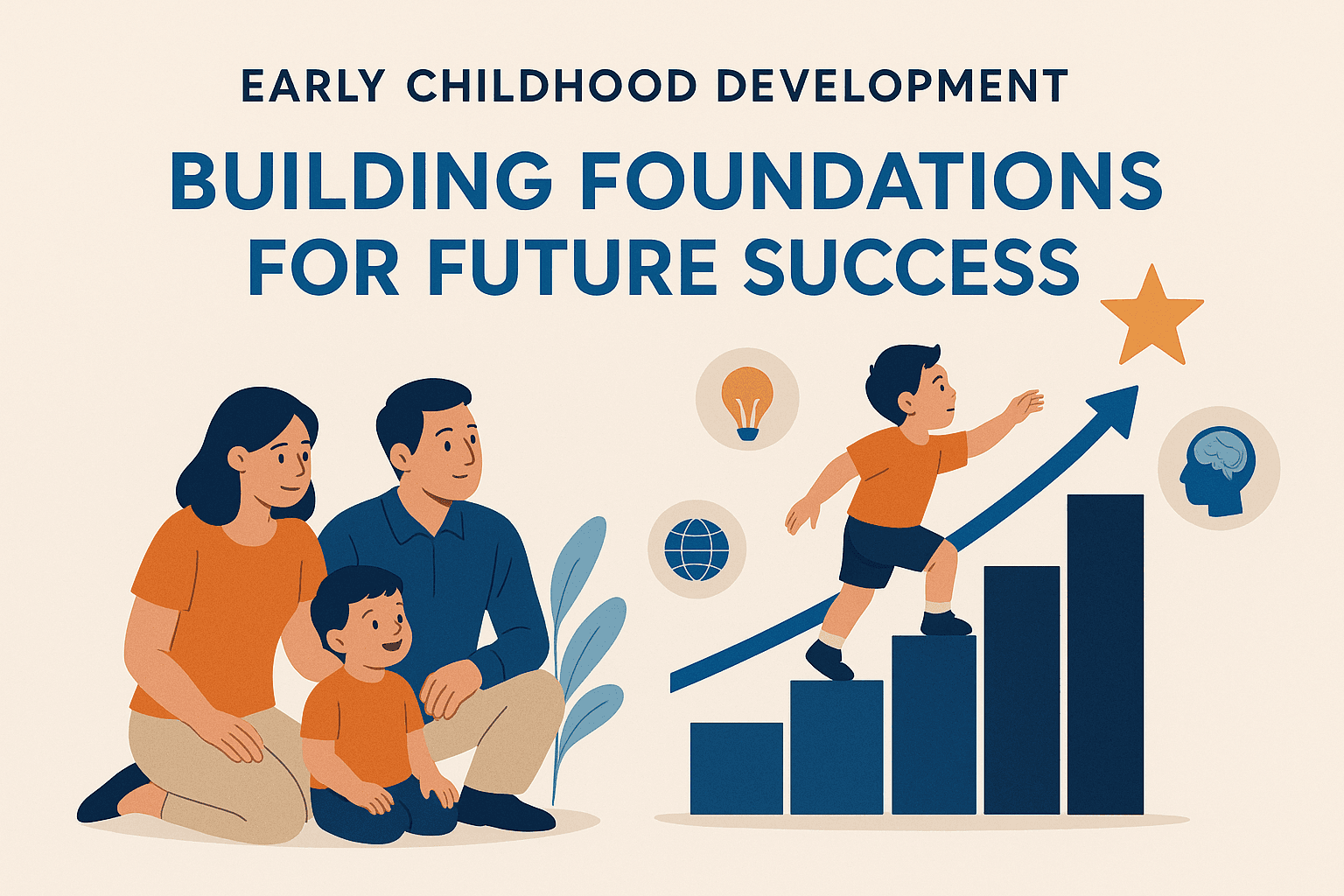
The Essential Guide to Early Childhood Development
Understanding early childhood development is pivotal for parents aiming to build strong educational foundations for their children. From birth to age 5, children experience rapid growth across cognitive, physical, emotional, and social domains. This period lays the groundwork for future learning, behavior, and health. Here, we delve into the key stages of early childhood development, offering actionable insights and surprising facts to empower parents in this crucial journey.
Cognitive Development
The Building Blocks of Learning
Cognitive development pertains to how children think, explore, and figure things out. It involves:
- Learning to solve problems
- Understanding and developing language
- Developing memory and imagination
Key Stages:
- 0-2 years: Babies learn about the world through sensory exploration and manipulation of objects.
- 2-5 years: Toddlers and preschoolers develop memory, imagination, and begin to understand symbols and numbers.
Surprising Insight: By age 3, a child's brain has formed about 1,000 trillion connections, twice as many as adults have.
Micro-Fact: The concept of object permanence, the understanding that objects continue to exist even when they cannot be seen, is typically developed by 8 months.
Actionable Tips for Parents
- Engage in play: Simple games like peek-a-boo or hide-and-seek support cognitive development.
- Read together: Storytime fosters language skills and imagination.
- Encourage exploration: Let your child lead in choosing play activities to boost curiosity and problem-solving skills.
Physical Development
Growing Bodies and Brains
Physical development includes the progress of motor skills and overall physical growth. It's categorized into:
- Fine motor skills: Small movements, such as grasping a spoon.
- Gross motor skills: Larger movements, like jumping or running.
Key Stages:
- 0-2 years: Rapid physical growth, development of basic motor skills.
- 2-5 years: Refinement of motor skills, increased coordination and strength.
Surprising Insight: Children can improve their fine motor skills through activities as simple as playing with blocks, which enhances their ability to grasp and manipulate objects.
Micro-Fact: The average child grows 2.5 inches in height and gains 4–5 pounds in weight each year during early childhood.
Actionable Tips for Parents
- Promote active play: Encourage activities that require running, jumping, and climbing.
- Introduce diverse activities: Crafts, drawing, and playing with small objects improve fine motor skills.
- Create a safe environment: Ensure play areas are safe to explore and free from hazards.
Emotional and Social Development
Building Emotional Intelligence and Social Skills
This aspect of development involves understanding and managing emotions, as well as forming relationships.
Key Stages:
- 0-2 years: Begin to express basic emotions and form strong attachments to parents.
- 2-5 years: Develop empathy, self-regulation, and the ability to play cooperatively with others.
Surprising Insight: Emotional intelligence, the ability to recognize and manage one's own emotions and those of others, begins to develop in these early years and is crucial for success in school and life.
Micro-Fact: By age 5, most children have developed a sense of gender identity, understanding themselves as boys or girls.
Actionable Tips for Parents
- Model emotional intelligence: Show how to express emotions healthily and navigate social situations.
- Encourage playdates: Social interactions with peers are essential for developing social skills.
- Teach empathy: Use stories and role-playing to help children understand the feelings of others.
The Role of Parents in Early Childhood Development
Parents are the first and most influential teachers in their children's lives. Your involvement is crucial for fostering a secure, stimulating environment that supports all areas of development. Here are some strategies:
- Be present: Quality time spent engaging in activities together supports learning and bond formation.
- Provide structure: Consistent routines and expectations help children feel secure and understand the world.
- Seek resources: Utilize books, educational toys, and community programs to supplement your child's development.
Conclusion
Early childhood development sets the stage for a lifetime of learning, well-being, and success. By understanding the key areas of development and implementing supportive practices, parents can provide their children with the best possible start in life. Remember, every child is unique, and development varies widely. Celebrate your child's milestones, provide encouragement, and enjoy the journey of discovery together.
In the vast landscape of parenting, consider this guide a map to the treasure trove of your child's early years. By nurturing their development now, you're not just investing in their future success—you're helping them build the foundation upon which all their dreams will be constructed.
Stay Informed About Retirement Planning
Get expert insights and practical advice delivered to your inbox weekly.
Join 50,000+ seniors making informed retirement decisions.