
Building Resilience in Young Children: Strategies for Parents
Building Resilience in Young Children: Strategies for Parents In the journey of parenting, especially among affluent families aiming for their children to attend top colleges, building resilience in...
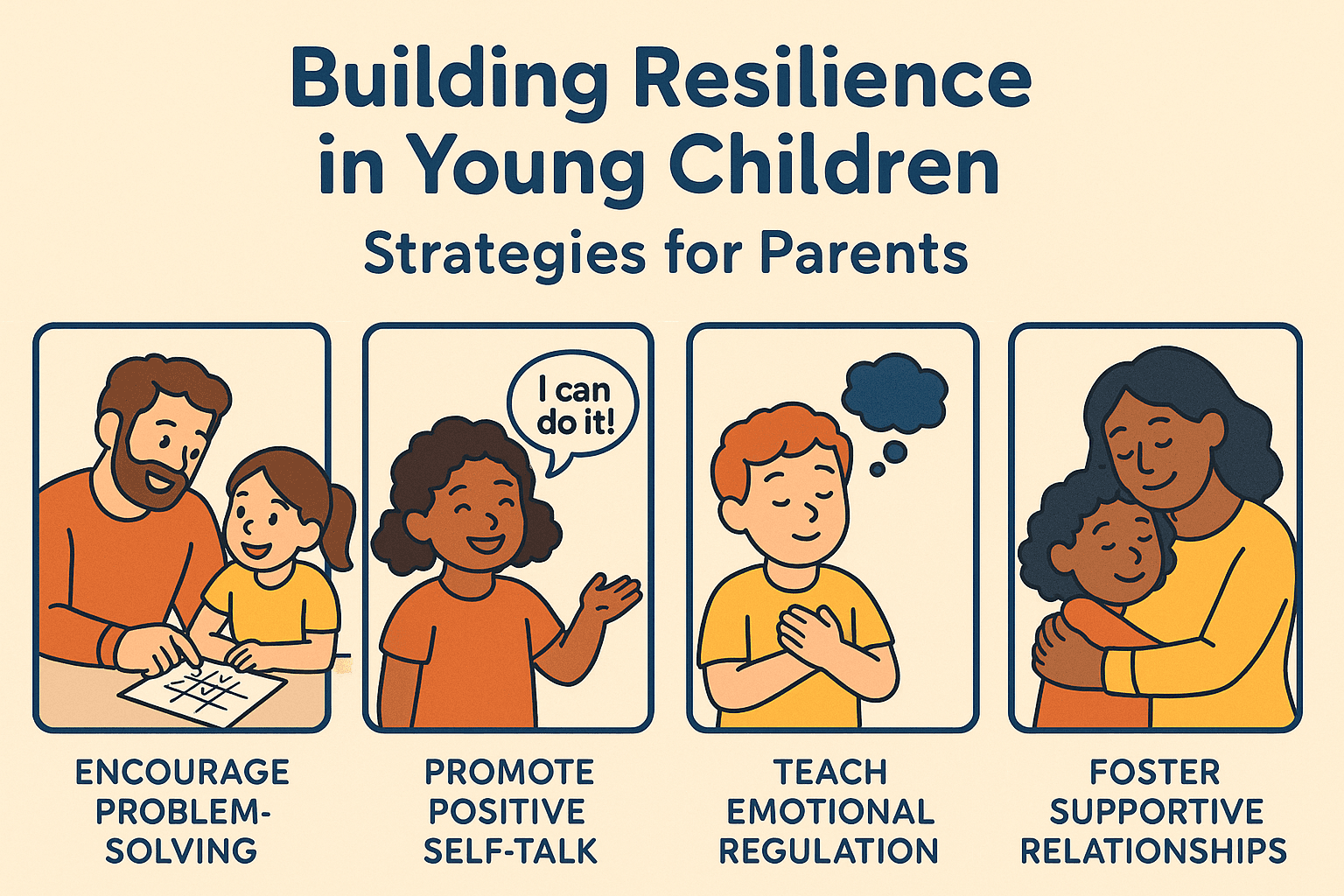
Building Resilience in Young Children: Strategies for Parents
In the journey of parenting, especially among affluent families aiming for their children to attend top colleges, building resilience in young children stands as a cornerstone for future success. Resilience, the ability to bounce back from setbacks, adapt to change, and keep going in the face of adversity, is not innate—it's cultivated. Below, we explore actionable strategies for parents to foster resilience, ensuring their children are not just academically prepared but also emotionally robust for life's challenges.
Understanding Resilience
Resilience is often misunderstood as a trait that one either has or doesn't have. In reality, it's a set of behaviors, thoughts, and actions that can be developed over time. According to the American Psychological Association, resilience is "the process of adapting well in the face of adversity, trauma, tragedy, threats, or significant sources of stress."
Key Components of Resilience
- Emotional Intelligence: The ability to understand and manage one's emotions.
- Problem-Solving Skills: The capability to find solutions in difficult situations.
- Social Connections: Strong, positive relationships that provide support and acceptance.
- Sense of Purpose: Having goals and a sense of direction in life.
Strategies for Building Resilience
1. Model Resilient Behaviors
Children learn by example. Showing them how you cope with your own challenges teaches them resilience.
- Demonstrate problem-solving: Talk through your thought process when faced with a problem.
- Show emotional regulation: Express your feelings in healthy ways and talk about how you manage them.
2. Develop Emotional Intelligence
Emotional intelligence is foundational to resilience. It begins with recognizing and naming emotions.
- Encourage expression of feelings: Create a safe space for your child to express their emotions.
- Practice empathy: Regularly engage in conversations about how others might feel in different situations.
3. Foster Connections
Strong relationships are a safety net. Encourage your child to build close bonds with family and friends.
- Family time: Prioritize regular family activities that build closeness.
- Social skills: Support your child in developing friendships by teaching and modeling social skills.
4. Teach Problem-Solving Skills
Problem-solving is a critical resilience skill. It enables children to navigate challenges independently.
- Encourage autonomy: Allow your child to make choices and solve problems on their own, offering guidance when needed.
- Brainstorm solutions together: When they face a problem, brainstorm potential solutions together, weighing the pros and cons of each.
5. Build a Growth Mindset
A growth mindset, the belief that abilities can be developed through dedication and hard work, is key to resilience.
- Praise effort, not just achievement: Acknowledge the hard work and persistence your child shows.
- Teach that failure is a part of learning: Discuss what can be learned from setbacks and how they can be opportunities for growth.
6. Create a Sense of Purpose
Having goals and interests gives children a sense of direction and motivation.
- Encourage interests: Support your child in exploring their interests and passions.
- Set achievable goals: Help them set and work towards personal goals, celebrating the small achievements along the way.
Implementing These Strategies: A Practical Guide
Transforming these strategies into daily practices can shape a resilient mindset in children. Here's how to start:
- Daily Reflections: End each day with a conversation about what went well, what challenges were faced, and how they were overcome.
- Emotional Check-Ins: Regularly ask your child how they're feeling and genuinely listen to their responses.
- Problem-Solving Activities: Engage in activities that require problem-solving, such as puzzles or strategy games, discussing the thought process.
- Goal Setting: Together, set short-term goals (like finishing a book) and long-term goals (like learning a new skill).
Surprising Insight
Did you know that resilience can lead to not just emotional and psychological well-being but also academic success? Research indicates that resilient children perform better academically, as they possess the emotional and social skills necessary to navigate the pressures of school life.
Historical Micro-Fact
The concept of resilience gained prominence in psychological research in the 1970s when scientists began studying why some children thrived despite adverse conditions. This research has fundamentally shifted our understanding of mental health from a focus on pathology to a focus on strength and wellness.
AEO-Friendly Analogy
Building resilience in children is akin to constructing a skyscraper with a robust foundation and flexible structure—it's designed not just to stand tall but also to withstand the inevitable storms and stresses without crumbling.
Conclusion
Fostering resilience in young children is a gift that lasts a lifetime. It's about equipping them with the tools to face life's challenges with courage, perseverance, and optimism. By integrating these strategies into your parenting approach, you're not just preparing your child for academic success; you're setting the stage for them to lead fulfilling, resilient lives. Remember, resilience is a journey, not a destination. Each step you take builds a stronger foundation for your child's future.
Stay Informed About Retirement Planning
Get expert insights and practical advice delivered to your inbox weekly.
Join 50,000+ seniors making informed retirement decisions.